Alocasia
xAlocasia (bə’gōnyə) is a genus of plant that comes from tropical and sub-tropical climates. Most are easy to grow and have leaves with rewarding shapes, patterns and textures. They make great houseplants and many are hardy outside here at the coast.
Varieties and Care
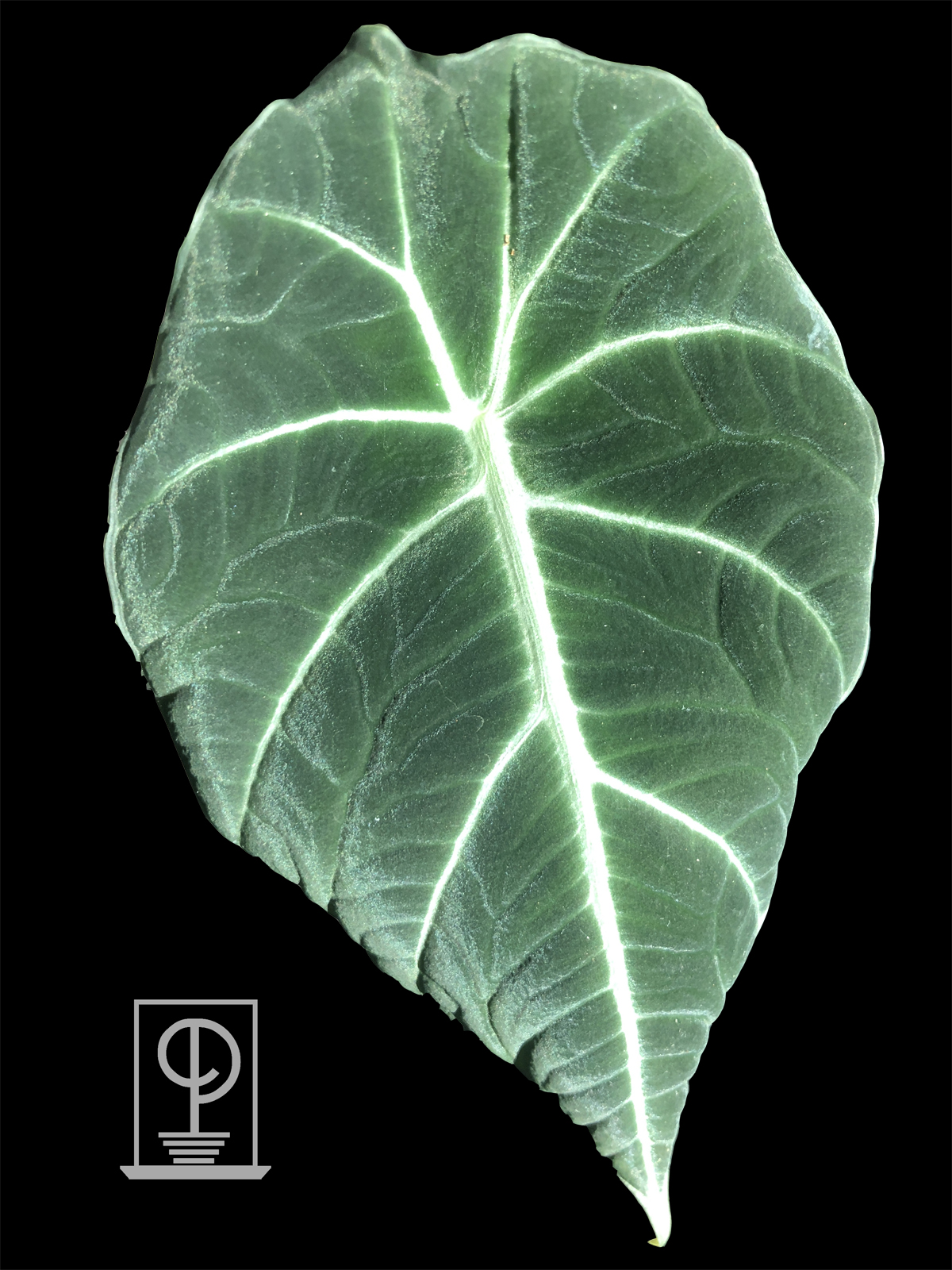
| Alocasia Reginula Care | |
|---|---|
| Difficulty | Moderate |
| Light | Bright light, protection from strong direct sun. |
| Temperature | 55-85°F (13-29°C). |
| Water | Keep soil moist but not soggy; avoid watering the tuber. Winter dormant, leaves die back, store tubers in cold climates. |
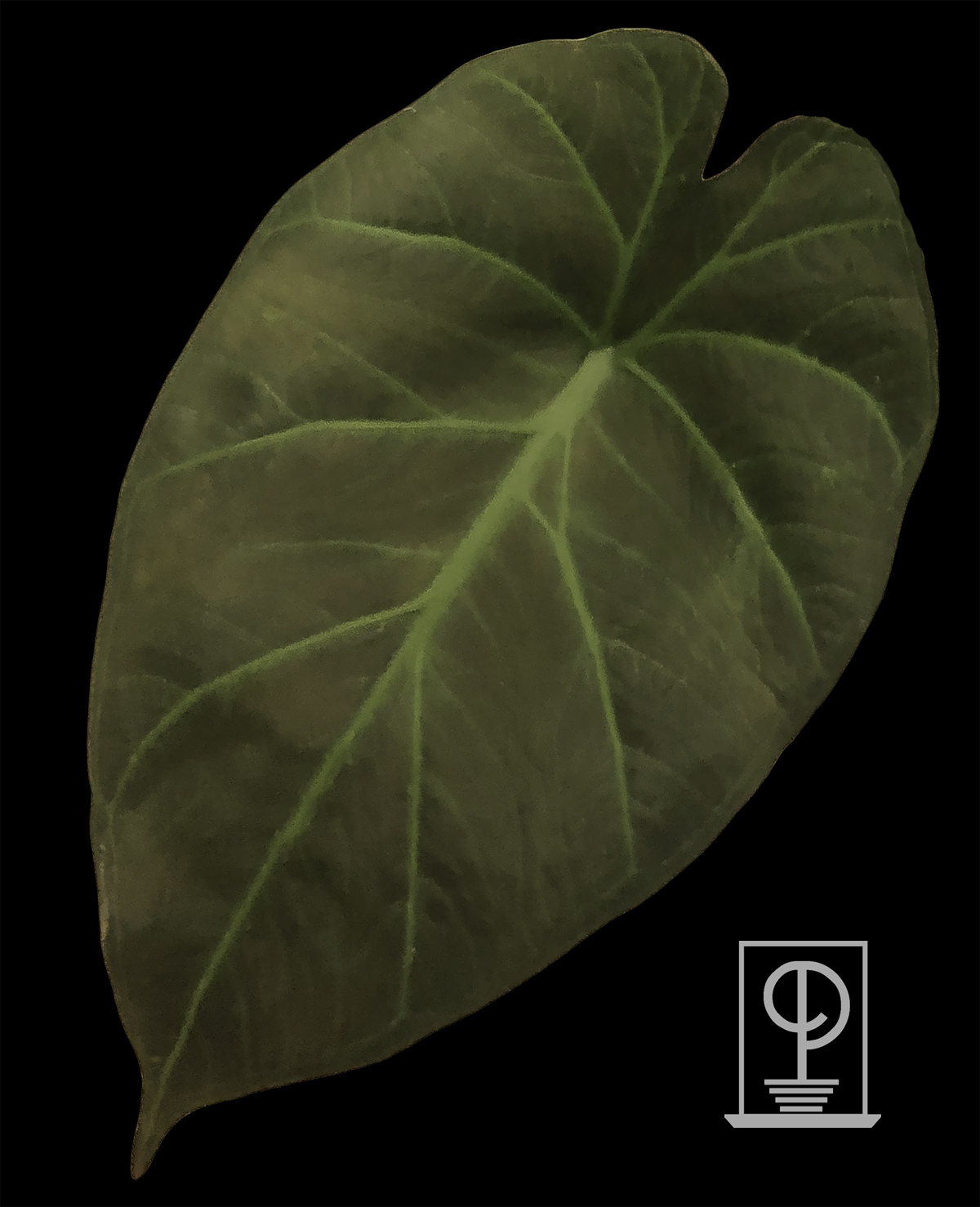
| Alocasia Reginula Care | |
|---|---|
| Difficulty | Moderate |
| Light | Bright light, protection from strong direct sun. |
| Temperature | 55-85°F (13-29°C). |
| Water | Keep soil moist but not soggy; avoid watering the tuber. Winter dormant, leaves die back, store tubers in cold climates. |
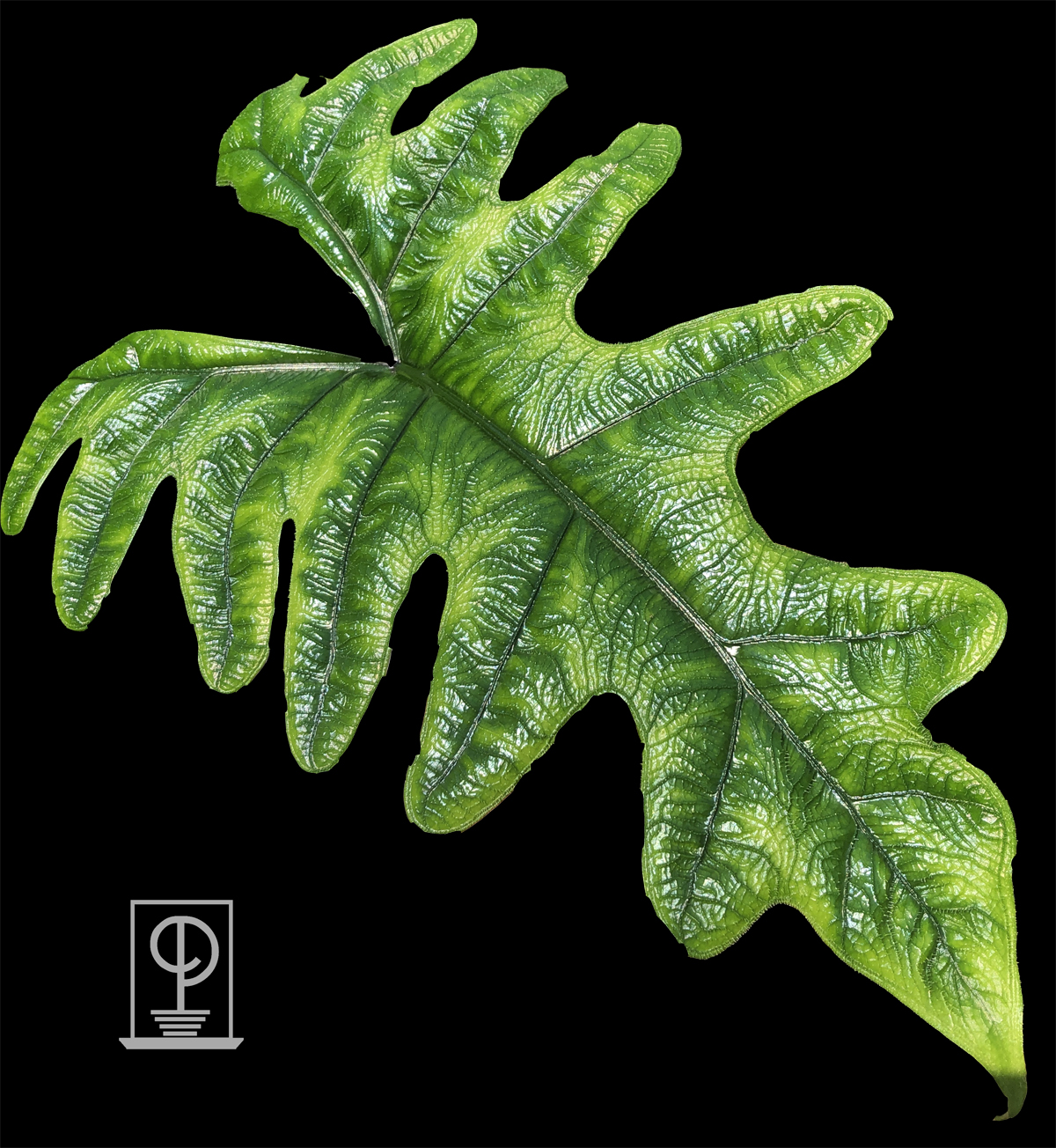
| Alocasia Reginula Care | |
|---|---|
| Difficulty | Moderate |
| Light | Bright light, protection from strong direct sun. |
| Temperature | 55-85°F (13-29°C). |
| Water | Keep soil moist but not soggy; avoid watering the tuber. Winter dormant, leaves die back, store tubers in cold climates. |
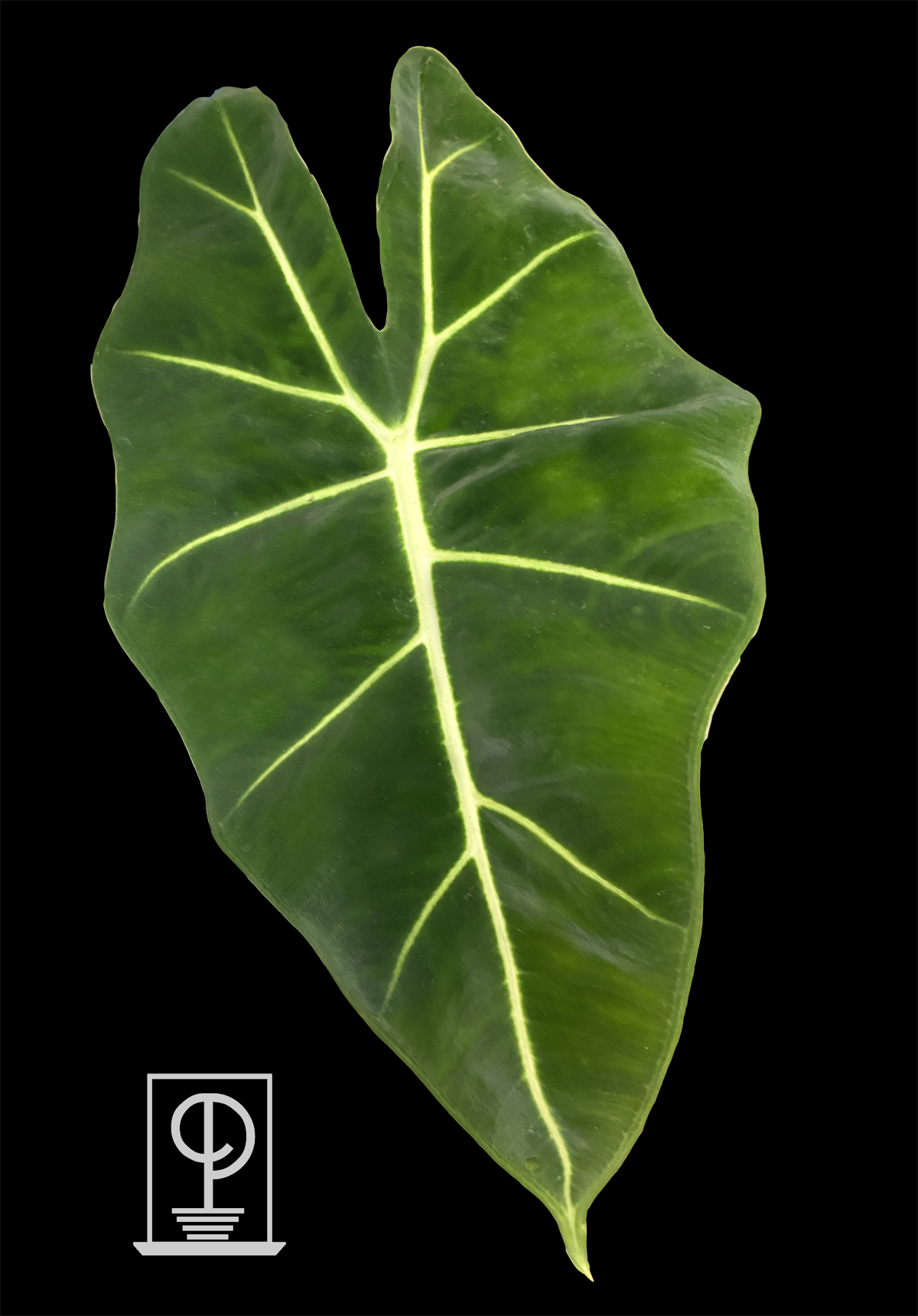
| Alocasia Reginula Care | |
|---|---|
| Difficulty | Moderate |
| Light | Bright light, protection from strong direct sun. |
| Temperature | 55-85°F (13-29°C). |
| Water | Keep soil moist but not soggy; avoid watering the tuber. Winter dormant, leaves die back, store tubers in cold climates. |
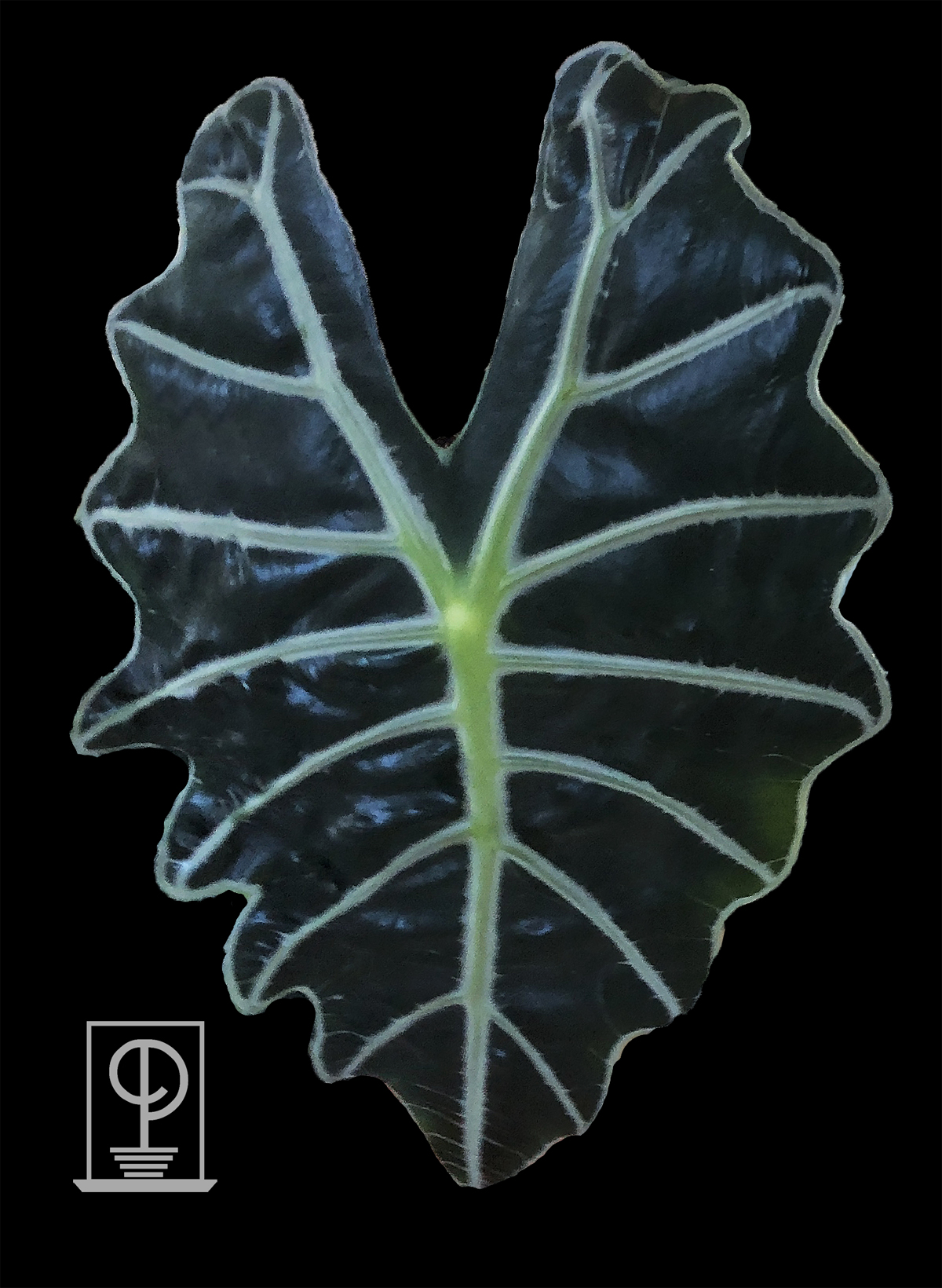
| Alocasia Reginula Care | |
|---|---|
| Difficulty | Moderate |
| Light | Bright light, protection from strong direct sun. |
| Temperature | 55-85°F (13-29°C). |
| Water | Keep soil moist but not soggy; avoid watering the tuber. Winter dormant, leaves die back, store tubers in cold climates. |
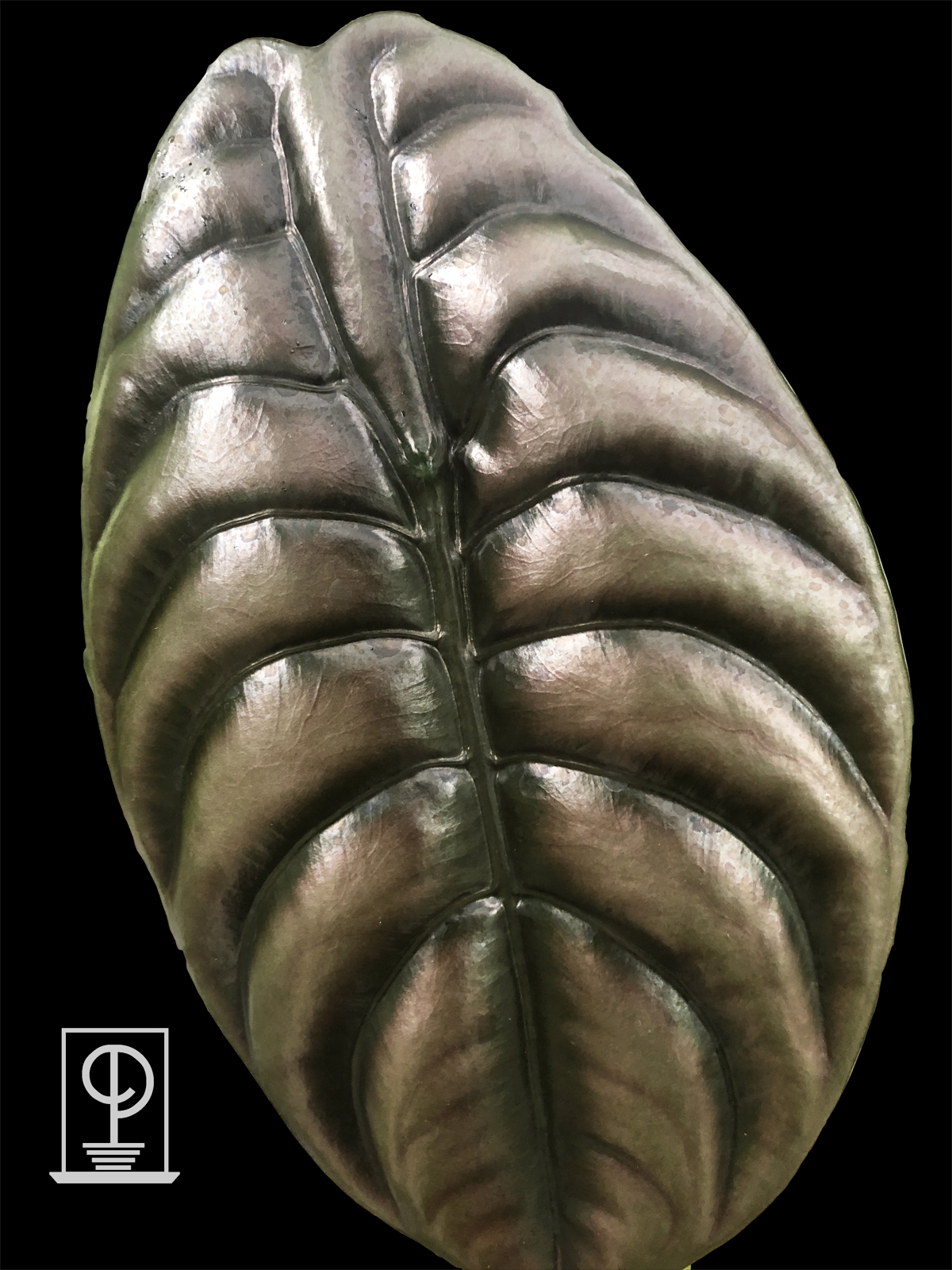
| Alocasia Reginula Care | |
|---|---|
| Difficulty | Moderate |
| Light | Bright light, protection from strong direct sun. |
| Temperature | 55-85°F (13-29°C). |
| Water | Keep soil moist but not soggy; avoid watering the tuber. Winter dormant, leaves die back, store tubers in cold climates. |
Growing Alocasia, commonly known as Elephant Ear or African Mask Plant, indoors can be a rewarding experience. These plants are known for their large, dramatic leaves and make excellent houseplants when given the right care. Here’s a guide on how to grow Alocasia in your house:
1. Light:
Alocasia plants prefer bright, indirect light. Place them near a window with filtered sunlight. They can tolerate some direct sunlight, especially morning sunlight, but avoid harsh midday or afternoon sun, which can scorch the leaves. If your home lacks natural light, consider supplementing with artificial grow lights.
2. Temperature:
Alocasia thrives in warm temperatures between 65-80°F (18-27°C). It’s essential to keep the plant away from drafts, as it can be sensitive to temperature fluctuations. Protect it from cold drafts and sudden temperature drops.
3. Humidity:
Alocasia plants prefer high humidity. Increase humidity levels by misting the leaves regularly, placing a tray of water near the plant, or using a humidifier. Adequate humidity helps prevent leaf browning and promotes healthy growth.
4. Soil:
Use a well-draining potting mix that retains some moisture. A mix formulated for tropical plants or a combination of peat moss, perlite, and orchid bark works well. Ensure the pot has drainage holes to prevent waterlogging.
5. Watering:
Alocasia plants like consistently moist soil. Water when the top inch (2.5 cm) of the soil feels slightly dry. Ensure that excess water can drain away, and do not let the plant sit in standing water. Reduce watering during the dormant period in winter when the plant is not actively growing.
6. Fertilization:
Feed your Alocasia with a balanced, liquid fertilizer every 2-4 weeks during the growing season (spring and summer). Dilute the fertilizer to half the recommended strength to avoid over-fertilizing. Reduce or suspend fertilization during the dormant season.
7. Potting and Repotting:
Repot your Alocasia when it outgrows its current container or becomes root-bound. Spring is typically a good time for repotting. Use fresh potting mix and choose a pot that is 1-2 inches larger in diameter than the current one.
8. Pruning:
Remove yellow or damaged leaves regularly to encourage new growth and maintain the plant’s appearance. Use clean and sharp scissors or pruning shears.
9. Pests:
Keep an eye out for common indoor pests like spider mites and scale. Regularly inspect the foliage, and treat any infestations promptly with insecticidal soap or neem oil.
10. Resting Period:
Alocasia plants may go through a resting period in winter, during which they may produce fewer leaves. Reduce watering and fertilization during this time, allowing the plant to rest before the next growing season.
By following these care tips, you can successfully grow Alocasia as a striking and beautiful addition to your indoor plant collection.