Peperomia
xPeperomias are in the pepper family (Piperaceae), but we don’t get our edible pepper from any Peperomias. What we do get from them is a beautiful plant that thrives on neglect. This genus has over 1,500 species and they come in a wide variety of shapes and sizes. Most of them grow more like succulents in terms of watering (avoid soggy soil!), but they’re still tropical plants, native to Central and South America with many species extending north through Mexico, the West Indies and even into South Florida.
| Peperomia Care | |
|---|---|
| Difficulty | Moderate |
| Light | Bright, indirect light – direct sun will bleach the leaves. |
| Temperature | 65–80°F (Very sensitive to cold) |
| Water | The thicker the leaves, the less water these need. All of them are more like succulents in their watering than typical tropicals. Let them mostly dry out before watering. |
Varieties
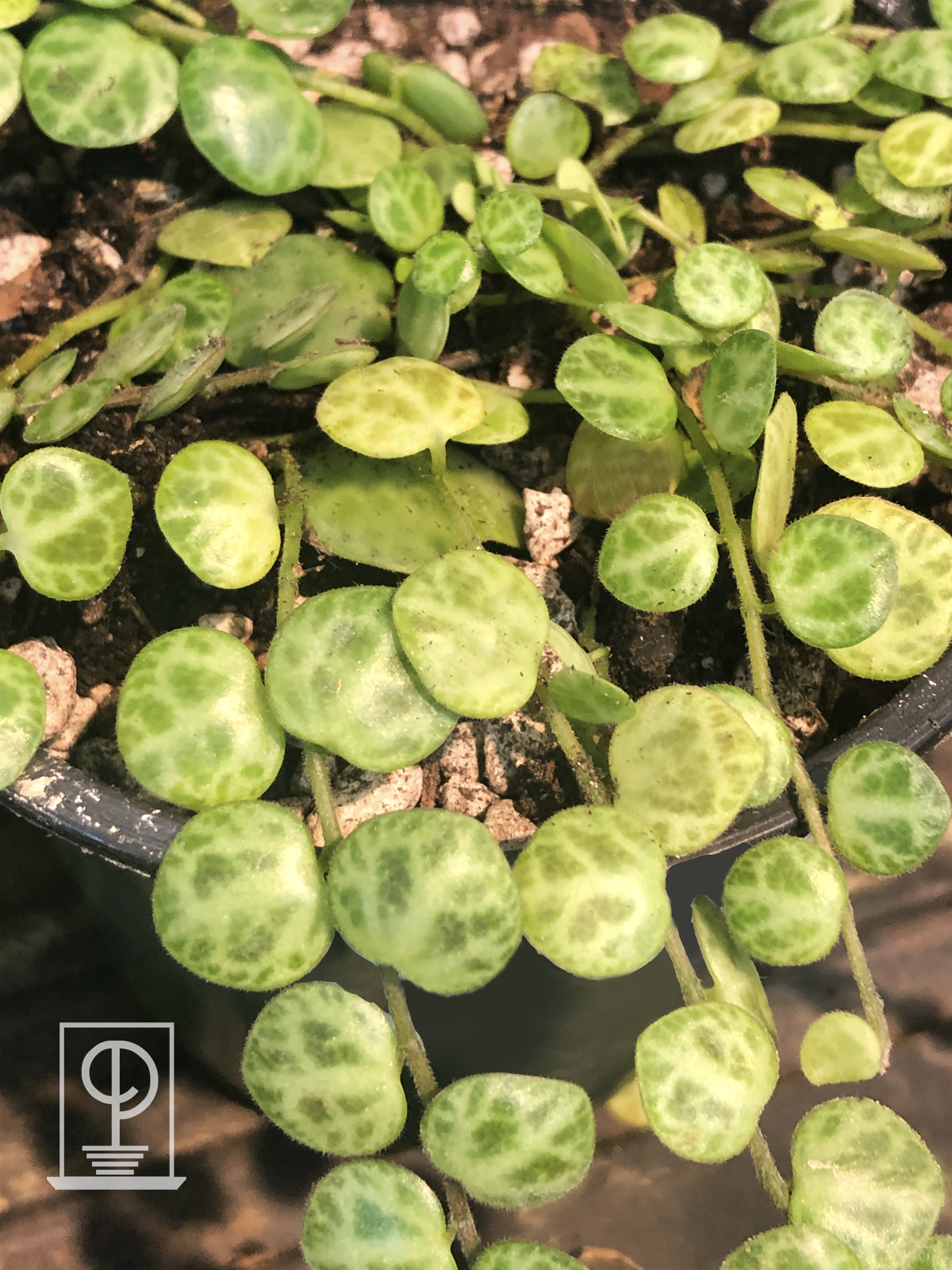
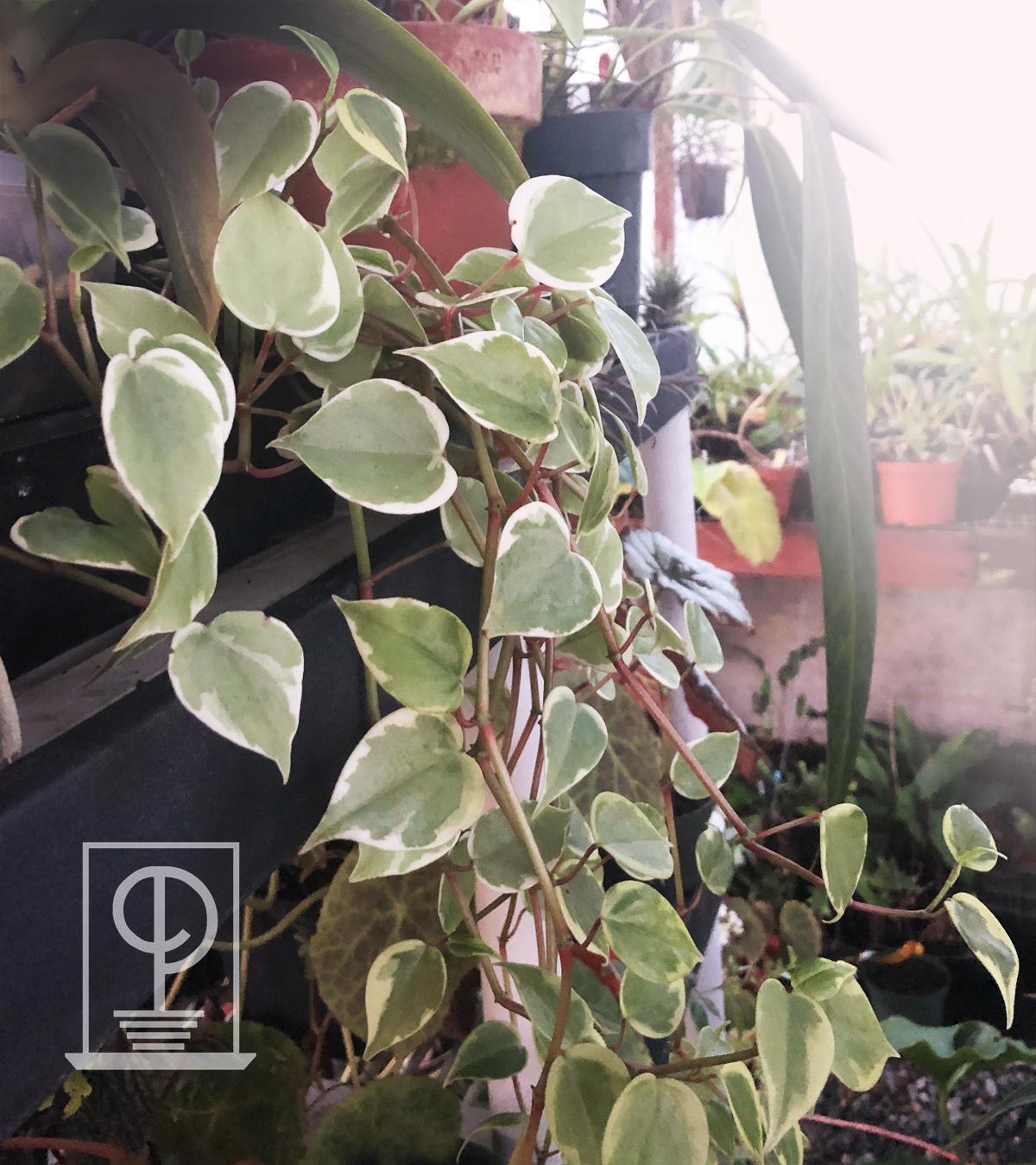
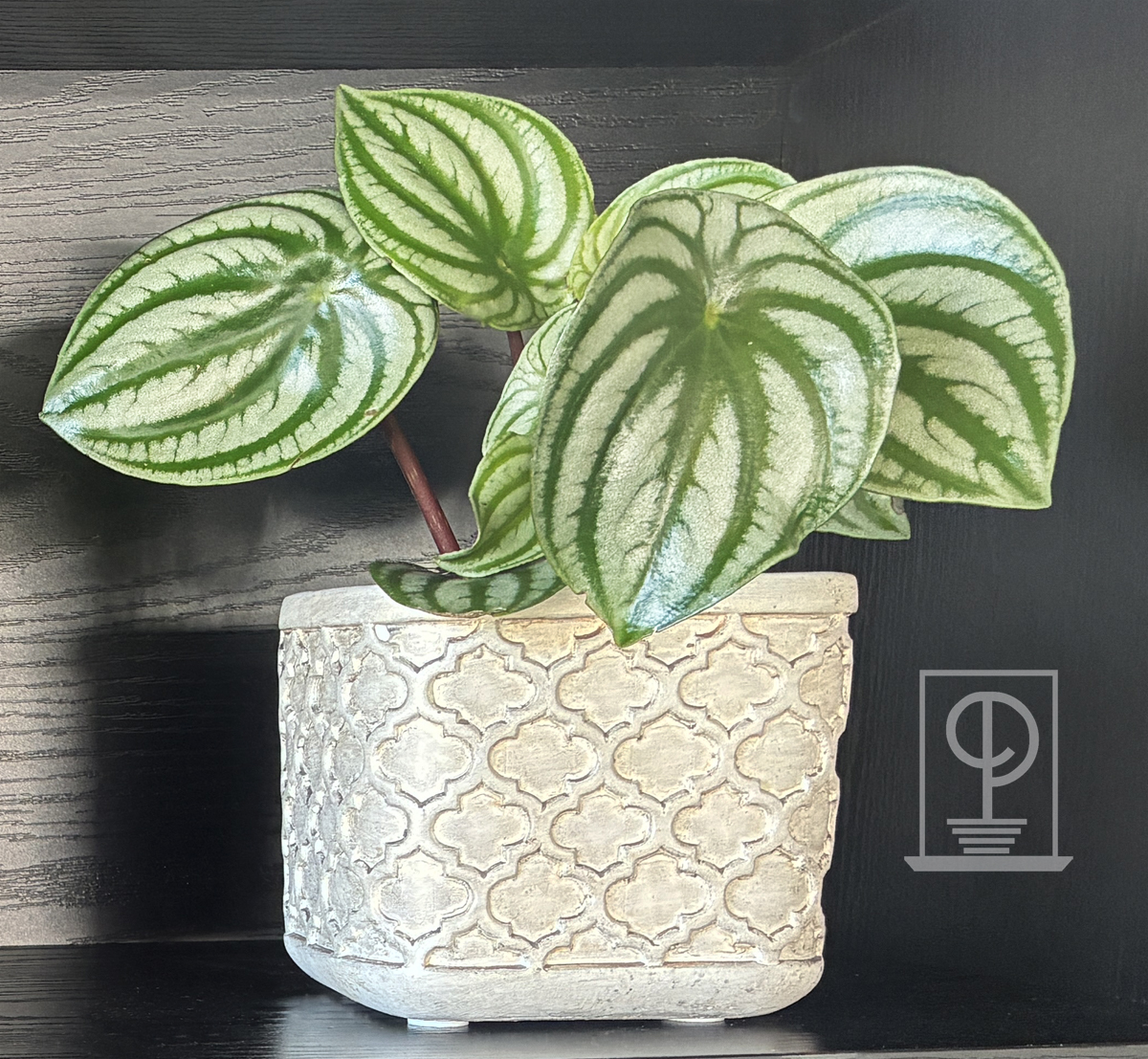
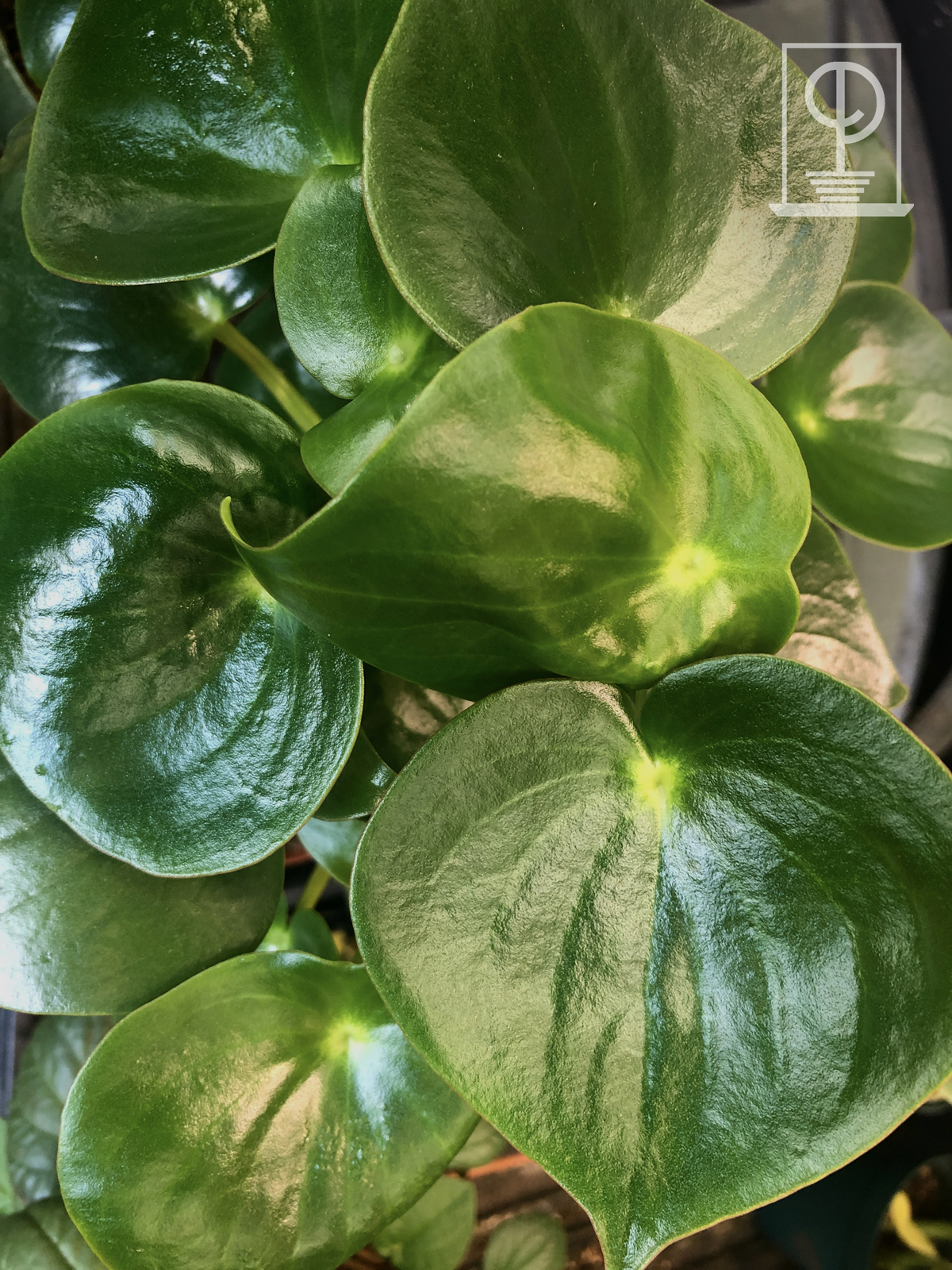
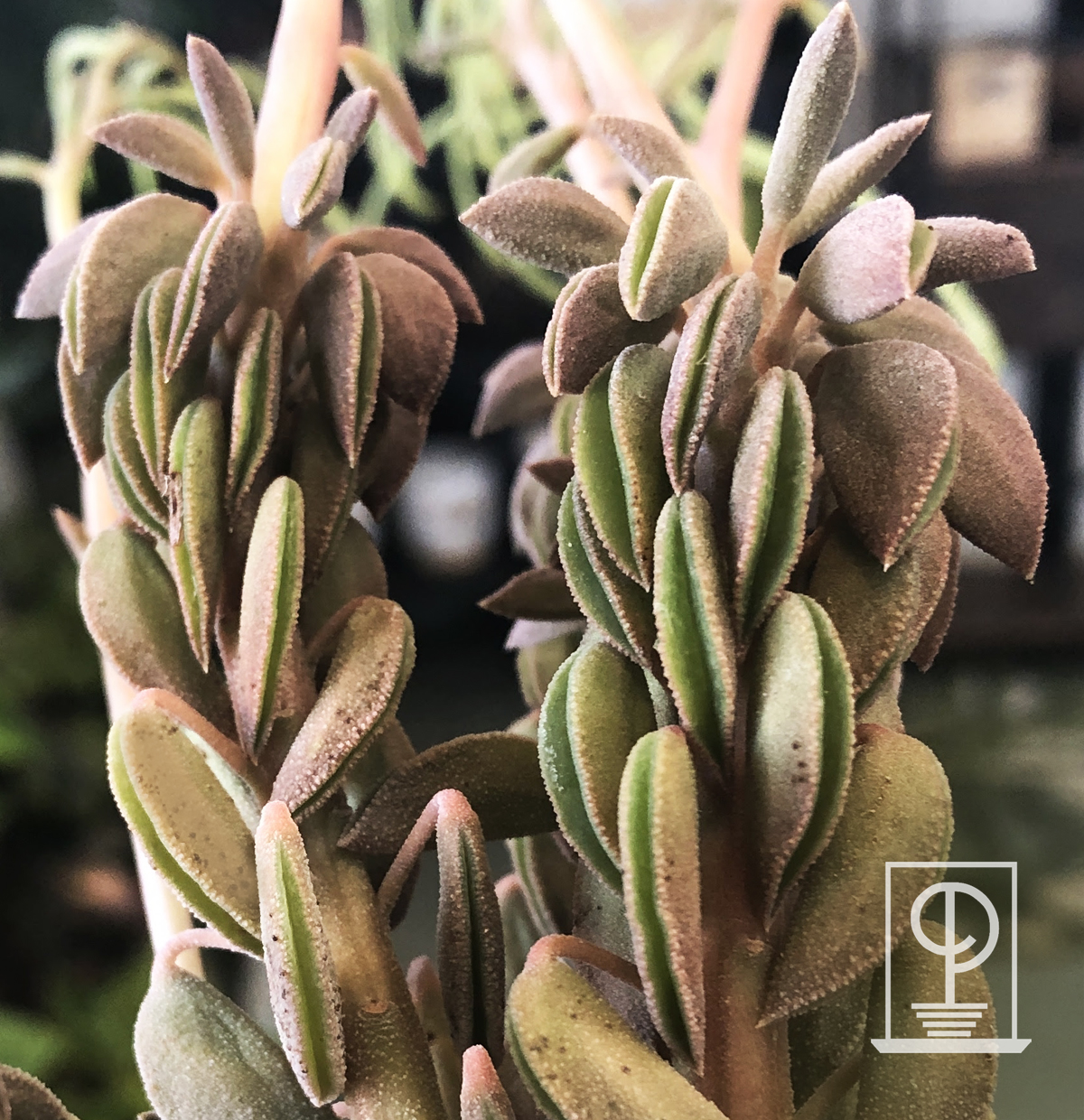
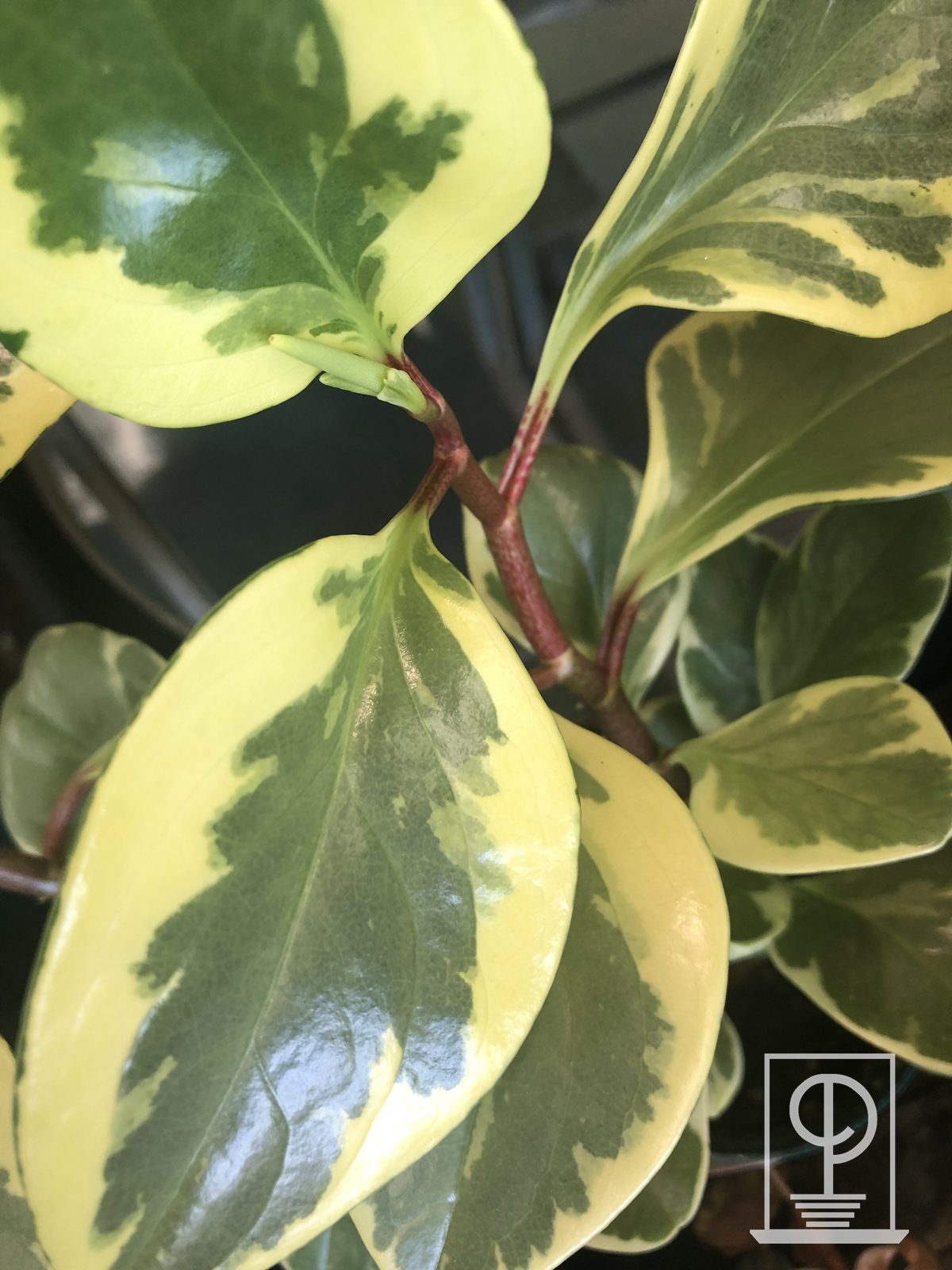
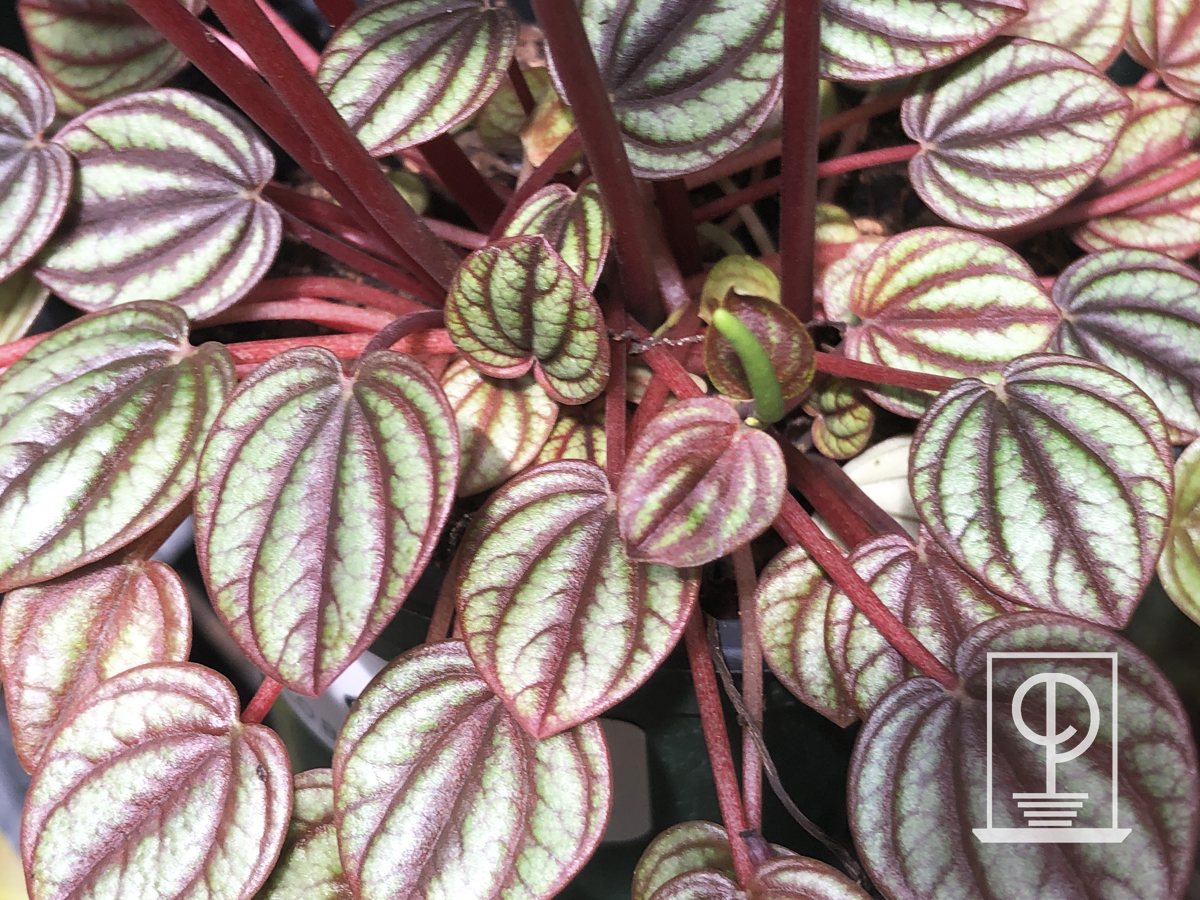
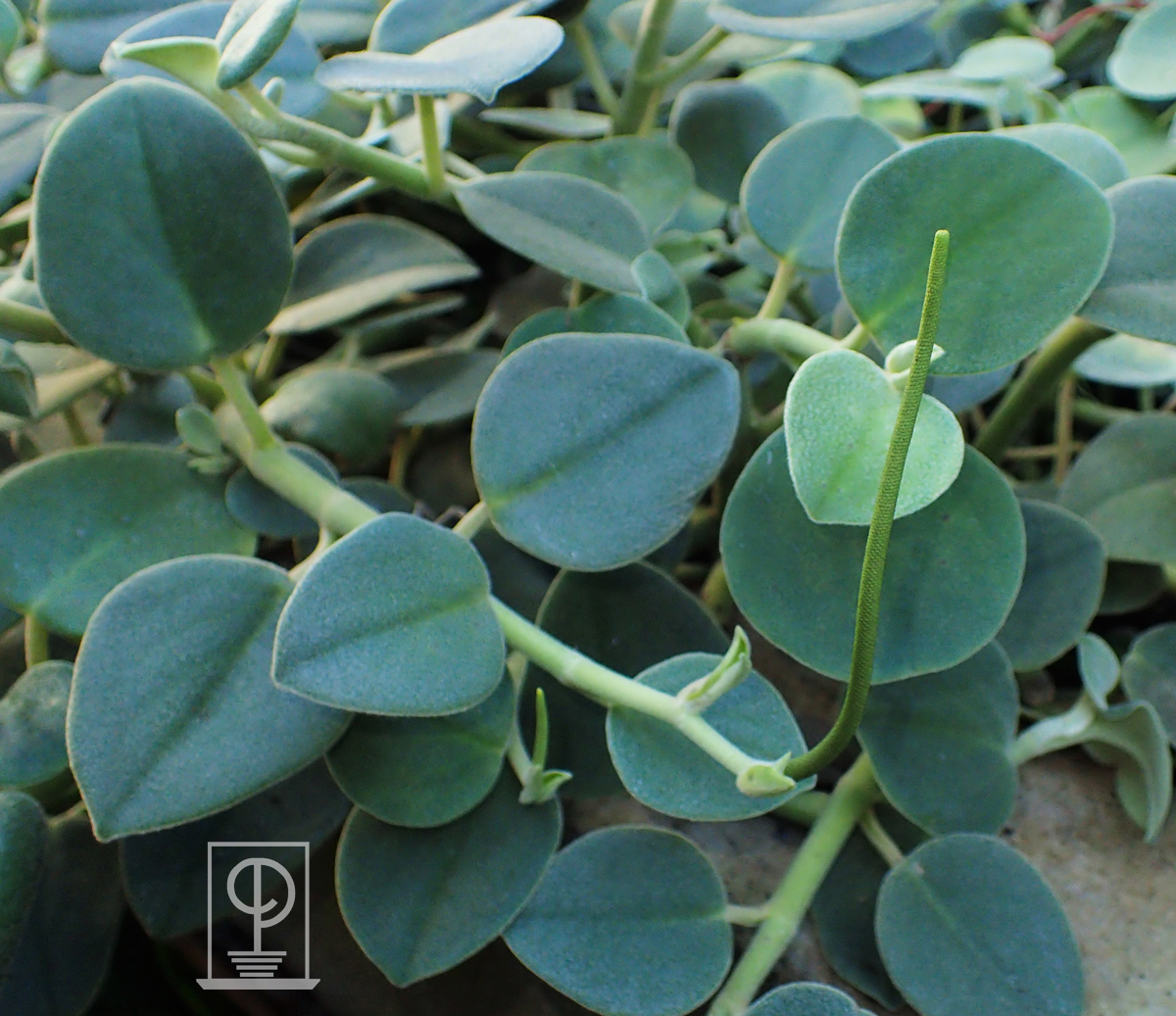
The Planted Parlour’s Tips and Tricks for Success!
- If you grow outside…While Peperomias don’t like cold temperatures, some can do well outside here at the coast (with some protection), especially in our dry summer. Watch the nighttime temps, though. Be sure to bring them in if it is dipping into the 40s at night. And always, when you bring plants in from outside, keep an eye out for bugs.
- It’s a "Radiator Plant" not a Forced Air PlantPeperomias are called Radiator Plants because they were grown on steam-powered radiators, as the warmth on their roots kept them dry. But these are not true succulents, they grow in tropical forests and like humidity in the air, despite liking dry roots. So be sure not to put your Radiator Plant in front of a forced air heating duct as that will dry out the leaves, especially with the thinner-leaved varieties such as caperata.
Learn More…
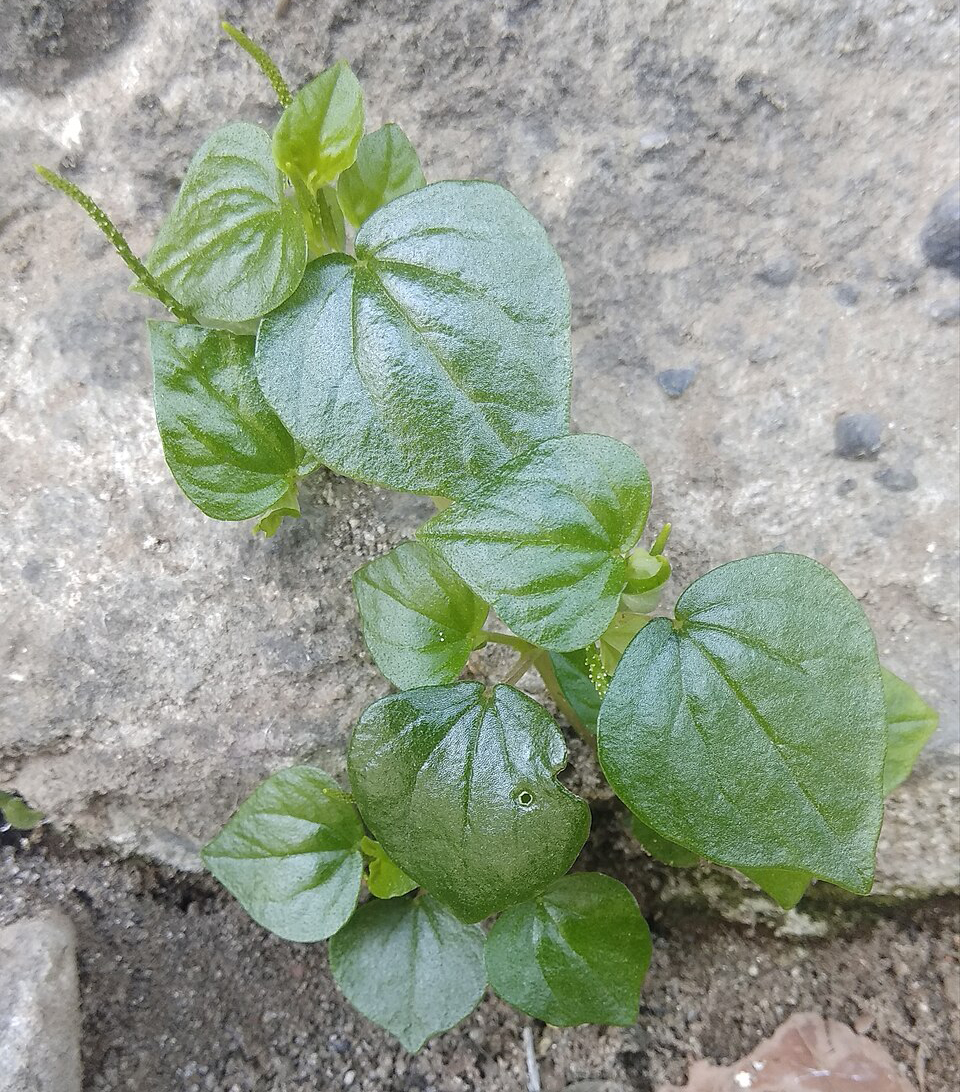 If you’ve collected tropical plants long enough, you may have found a little green weed in your collection that grew up alongside one of your plants. If it looks like the plant in the picture here, that’s Peperomia pellucida and according to Brazilian lore, it’s good luck when it shows up! In fact, it’s specifically a sign of reassurance, often given as a gift to tell someone that "everything’s going to be OK".
Fungus among us
Plant genetics are very different than animal genes. Unlike animals, where adding genetic material into our DNA becomes cancer, plant genetics can adopt new material and not necessarily have a negative impact. And, in fact, if it is a positive change against evolutionary pressures the plant will possibly thrive. This is why plant hybridization is far more common than animal hybridization. Peperomia polybotrya actually went a step further in its genetic additions. Scientists have determined that incorporated into its DNA are genetics from a fungus, which is an entirely different kingdom. Scientists have spliced fungal genetics into animals, and certain living things (such as lichen) have symbiotic relationships between fungus and other types of life, but Peperomia polybotrya has naturally added fungus genetics into its own genome. This is not the only plant that has done this, but it is extremely rare. The term for this is Horizontal Gene Transfer.